Nervous System Integration & Breathwork
For those who’ve explored therapy and personal work,
and something in the body still hasn’t settled.
Before anything else, a kind check-in
Your body has only been doing what it learned to do to keep you safe.
in the body
in the mind
in connection
Take a soft breath. If you saw yourself here, you make sense.
You’ve simply been carrying a lot.
The body changes through experience, not understanding.
Mind
where meaning returns
Brain
where new pathways form
Body
where it’s felt
Nervous system
where safety begins
— why this work
When something happens, the body registers it first, long before there are words for it. That response can stay held long after the moment has passed.
The body processes from the ground up: sensation, then pattern, then story. So the work begins at the base, and breath is the way in. It reaches the nervous system directly, before thought, helping it find safety. As the layers below settle, the mind can finally integrate, not just understand.
How Our Body is Wired →— why we begin with a word
Somatic
/ to sit near / / in the body /
A Sanskrit word for sitting near: drawing close, with presence. In this work, we meet the body where it is, gently and with support, at the pace it can hold — and that’s where change actually happens.
The name is the practice.
We draw close, and we stay.
— the upasana methodology
The nervous system reorganises in this order, and not in another. The work is to honour the order, and let the body set the pace.
The foundation before anything else. We establish a felt sense of safety in the body, not as a concept, but as a lived, physical experience.
Turning attention inward. Noticing sensation, breath, and impulse, just as they are. The body begins to speak when it feels heard.
What wants to move, moves. Through breath and somatic awareness, held patterns begin to release at a pace the nervous system can sustain.
The real work happens between sessions. We build the capacity to hold what's been processed, creating lasting, embodied change.
— how I came to this work
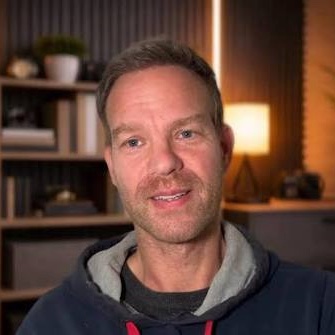
I’m Yaku. For years I lived a step ahead of my own body: quick to understand, slow to feel. Finding the way back took time; now I sit with others as they find theirs.
What I offer isn’t a set of tools or techniques — it’s the capacity to meet you where you are, to read what your system is actually doing and create the conditions for it to move, at its own pace, without force.
The body can release quickly. What takes time is integration, the nervous system learning to hold what’s shifted, so it doesn’t simply return to where it was.
That’s what this work is for.
— Yaku
— where are you, right now?
Breathwork is the first step in every container: one to one, in a group, or in deeper somatic work.
We begin by returning to trust the breath. Where it goes from there is yours.
I’m carrying something specific: a pattern, a stuck emotion, a tension.
I’m curious, but I’ve never done anything like this before.
I sense this is long-term work, and I’m ready for depth.
Returning to trust the breath
see breath, the way in →— the first step
If something here resonates, the next step is a small one: a short conversation, by call or by message, whichever feels easier. No agenda, nothing to prepare, no outcome expected. Just a chance to get a sense of each other, and to see how it feels.
About 30 minutes · by call or message
"I was nervous about trying breathwork for the first time, but Yaku created a space where I felt completely safe."
— Gabriela Mora
— Upcoming
A 3-hour journey for nervous system regulation.
In-Person and Online
10:00 — 13:00
An introductory online session, sensing how safety lands in the body.
Online · Zoom
19:00 CET
— not ready to reach out?
A guided somatic resourcing practice, something to reach for in the moments when sensations begin to feel overwhelming. Yaku’s voice leads, slowly, offering a steady way back to the ground and to the present.
It comes as a short guided video and a one-page reflection guide, unhurried, and yours to return to whenever it helps. No theory, nothing to get right; just a small, practical anchor to keep close.
yours to keep
We begin slowly. After settling in, we work with the breath and gentle attention to the body, noticing what’s present, at a pace that feels workable. There’s nothing to perform and nowhere to get to; we follow what the nervous system is ready for, not a fixed script.
None at all. Most people arrive having never done anything like this before. The work meets each person where they are. There’s no technique to master first and nothing to get right. Being new is a good place to begin from.
Both. In person allows for more hands-on, embodied support; online works well and is just as structured. We can talk through which feels right when we first speak.
No. This work doesn’t depend on retelling the past. Together we attend to what’s here now, in the body and the breath, rather than the events behind it. Nothing needs to be shared that doesn’t feel right, and only if it helps.
Yes. What’s shared here is held in confidence, to the same professional standard a therapist keeps, privately and with care. It stays between us. This is a space to speak freely, or to stay quiet; nothing has to be put into words to be worked with.
There’s no wrong way to do this. Whatever arises is information, not a test, whether that’s a lot, a little, or what seems like nothing. Some sessions are quiet, and the nervous system is often working in ways that aren’t dramatic. Nothing is being measured.
Yes — always. Nothing is done to you, and nothing is forced. We can slow down, pause, or stop at any point, and that choice stays yours throughout. The work only ever goes where the nervous system is willing to go.
Therapy often works through understanding, making sense of things with the mind. This works through the body: breath, sensation, and the nervous system, where understanding alone doesn’t always reach. Less about why a feeling is there, more about giving the body a different experience. The two sit well alongside each other.
Yes, and many people do. This work complements therapy rather than replacing it. The mind and the body, working from both directions, tend to support one another. For anyone in active treatment, it helps to let your therapist know, so the support stays joined up.
The work is trauma-informed: it’s built around pacing, capacity, and staying within what the nervous system can hold, rather than working faster than it’s ready for. It is not a substitute for clinical trauma treatment, and in times of acute distress, that care comes first. When it’s hard to know, that’s exactly what a first conversation is for.
Often, yes. Many strong breathwork experiences come from fast, high-intensity methods aimed at big releases. This approach is the opposite: slower, gentler, and built on capacity rather than intensity. Nothing is forced, the pace stays with what feels sustainable, and control stays with you throughout. Where there’s been overwhelm before, we go especially gently.